
Laparoscopic Hysterectomy in Gurgaon: Procedure, Recovery & Risks
- anam ghani
- Feb 11
- 3 min read

What is a Laparoscopic Hysterectomy?
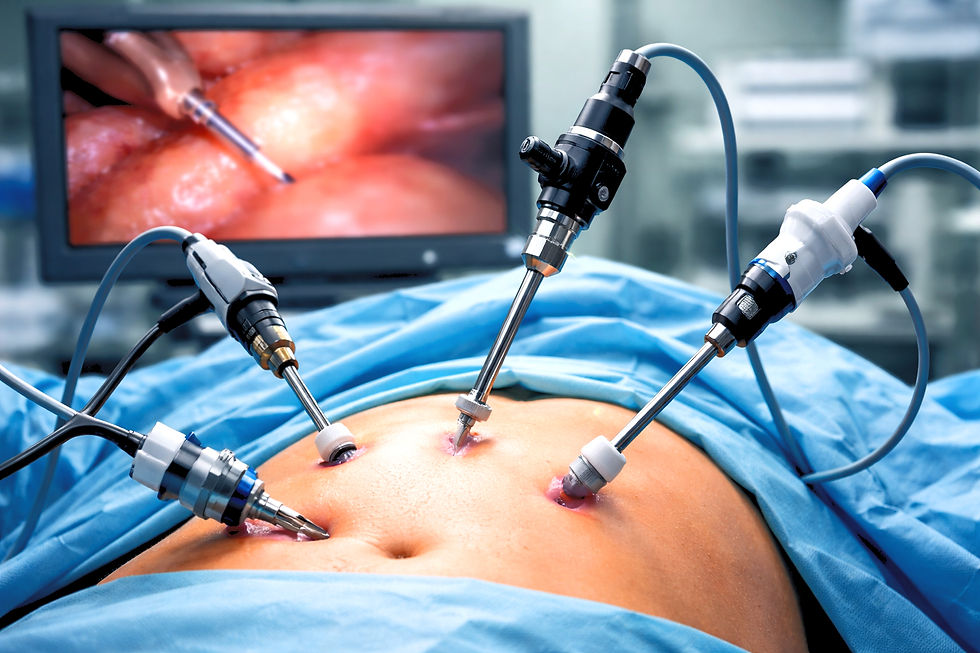
A laparoscopic hysterectomy in Gurgaon is a minimally invasive surgical procedure used to remove the uterus through small incisions in the abdomen. Unlike traditional open surgery, which requires a large cut, this method uses a thin camera (laparoscope) and specialized instruments inserted through 0.5–1 cm keyhole incisions.
The uterus may be removed:
Completely (Total hysterectomy)
With cervix preserved (Supracervical hysterectomy)
Along with ovaries and fallopian tubes (if medically required)
Most patients go home within 24–48 hours, and recovery is significantly faster compared to open surgery.
When is Laparoscopic Hysterectomy Recommended in ?
Large or symptomatic fibroids
Heavy menstrual bleeding not responding to treatment
Adenomyosis
Endometriosis
Uterine prolapse
Precancerous changes
Early-stage gynecological cancers
It is often chosen when conservative treatments have failed.
How to prepare for a Laparoscopic Hysterectomy?
Do not eat or drink anything after midnight on the day of surgery
Stop taking aspirin 7 to 10 days before the surgery
Stop taking NSAIDs and certain herbal supplements 3 to 7 days before the surgery
Shower the night before the surgery to avoid infection
You may be given certain medications on the day of surgery
An antibiotic will be given through an IV to help ward off any bacterial infection
Post Surgery guide : After Laparoscopic Hysterectomy
Pain in your shoulders or ribs from the gas put into your abdomen
A catheter for about 24 hours to help drain your bladder
Pain medications to reduce pain and discomfort
Walk as soon as possible after surgery to prevent blood clots in your legs
Light vaginal bleeding for several days and can use sanitary pads during this period
Refrain from intercourse for six weeks
Post Operative Care for Laparoscopic Hysterectomy
Rest for the first 24 hours following surgery and gradually increase activity over the next few days
Avoid any strenuous activities for the first 2 weeks
Take pain medications as directed
Eat a healthy diet and drink plenty of fluids
Maintain good hygiene practices, including daily showers and changing pads or other dressings
Keep the incisions clean and dry
Avoid Sexual Activity for at least 6 weeks
Follow all instructions provided by your doctor to ensure a safe and successful recovery
Report any concerning symptoms such as fever, chills, persistent pain, or bleeding
Recovery After Surgery
Most women:
Start walking within 6–8 hours
Resume light activities in 1 week
Return to routine work in 2–3 weeks
Avoid heavy lifting for 4–6 weeks
Mild abdominal discomfort or shoulder pain (due to gas used during surgery) may occur temporarily.
Are There Any Risks?
Though generally safe, possible risks include:
Bleeding
Infection
Injury to bladder, bowel, or ureter
Anesthesia-related complications
Choosing an experienced laparoscopic gynaecologist significantly reduces these risks.
Benefits of Laparoscopic Hysterectomy
✔ Smaller scars✔ Less blood loss✔ Reduced postoperative pain✔ Lower infection risk✔ Faster recovery✔ Shorter hospital stay
Studies show minimally invasive hysterectomy reduces complications compared to open abdominal hysterectomy in appropriate candidates.
When to call your Doctor after Hysterectomy?
Call your gynaecologist right away if you experience the following:
Heavy bleeding
Persistent fever or infections
Severe abdominal pain
Foul-smelling vaginal discharge
Difficulty urinating
Redness, swelling, or tenderness at the incision sites
Nausea, vomiting, or other signs of dehydration
Pain or discomfort that does not improve with medications
Common questions women ask
Q1. What is the recovery time after laparoscopic hysterectomy?
Most women recover within 2–3 weeks, though complete internal healing may take 6 weeks.
Q2. Is laparoscopic hysterectomy safe?
Yes, it is considered safe when performed by an experienced gynecologist.
Q3. How long is hospital stay after laparoscopic hysterectomy?
Most patients are discharged within 24–48 hours.
Q4. Will I gain weight after hysterectomy?
Weight gain is not directly caused by hysterectomy but may occur due to lifestyle or hormonal changes.
Q5. Will I stop having periods?
Yes. Once the uterus is removed, menstrual periods permanently stop.
Q6. Will it affect hormones?
If ovaries are preserved, hormone levels usually remain unchanged. If removed, menopause may occur.
Q7. Will it affect sexual life?
Most women resume normal sexual activity after recovery and often report improved quality of life due to relief from symptoms.
Final Thoughts
Laparoscopic hysterectomy has revolutionized gynecological surgery, offering women a safer and faster alternative to traditional open procedures. If you are suffering from severe fibroids, heavy bleeding, or chronic pelvic pain, discussing minimally invasive options with your gynecologist can help you choose the best treatment plan.
If you are considering laparoscopic hysterectomy in Gurgaon or Delhi NCR, consult an experienced gynecologist to discuss your symptoms and treatment options. Early evaluation ensures better outcomes and faster recovery.


Comments